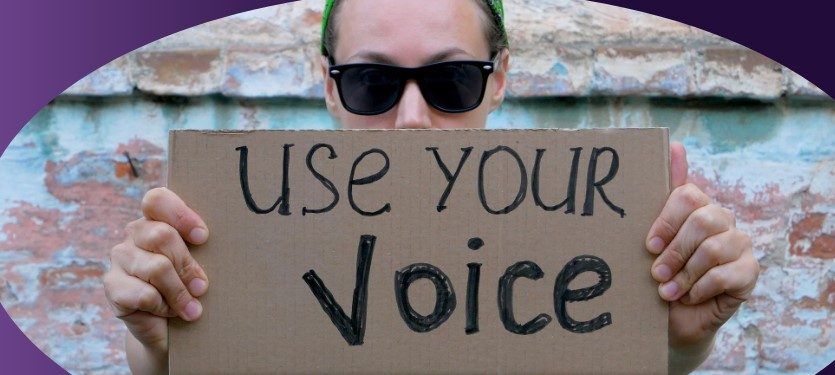
Every Voice Matters
Inclusive Communication & Public Speaking in Multicultural Workplaces
In today’s international workplaces, communication is about far more than speaking clearly. It is about creating spaces where people from different cultures, languages, and backgrounds feel heard, respected, and valued. In multicultural environments like Luxembourg, inclusive communication has become an essential professional skill.
Strong communicators are not necessarily the loudest people in the room. They are often the ones who listen carefully, adapt their message thoughtfully, and make others feel comfortable contributing. Inclusive communication encourages collaboration, trust, and innovation because people are more likely to share ideas when they feel safe doing so.
“Communication is not just about delivering a message — it is about making sure others feel included in the conversation.” — Brené Brown
Cross-cultural awareness also plays an important role in public speaking and everyday workplace interactions. Different cultures may have different approaches to feedback, eye contact, formality, silence, or decision-making. Being aware of these differences helps us avoid misunderstandings and communicate with greater empathy.
For many professionals, speaking up in meetings or presenting in a second language can feel intimidating. Inclusive workplaces recognize this challenge and encourage participation in ways that build confidence rather than pressure. Small changes — allowing more time for responses, avoiding jargon, or inviting quieter voices into discussions — can make a significant difference.
Another important aspect of inclusive communication is emotional intelligence. Being attentive to tone, body language, and the reactions of others helps create stronger and more respectful connections. In multicultural teams, empathy and active listening are often just as important as technical expertise. When people feel understood, they are more likely to engage openly, collaborate effectively, and contribute creative ideas.
Public speaking also becomes more powerful when authenticity is present. Speakers who embrace diversity and communicate with openness often connect more naturally with international audiences. Rather than trying to sound perfect, effective communicators focus on clarity, sincerity, and human connection. This creates presentations and conversations that feel more genuine, relatable, and impactful.
“Every voice brings a unique perspective, and diverse perspectives are what make teams stronger.” — Verna Myers
Inclusive communication is not about perfection. It is about curiosity, respect, and the willingness to learn from one another. As workplaces continue to become more global, the ability to communicate across cultures with openness and authenticity will only become more valuable.
When we create environments where every voice matters, we do more than improve communication — we build stronger communities, better collaboration, and more human- centered workplaces.